What are the Best Men Sports Shoes for All Activities?
When it comes to choosing the best men sports shoes, one size does not fit all. Men’s sports shoes are essential gear for anyone active. They provide comfort and support during various activities. From running to basketball, the right pair enhances performance significantly.
Numerous brands specialize in men sports shoes, each claiming to offer the best. Some prioritize cushioning, while others focus on durability and traction. However, many shoes fall short of expectations. It's important to recognize that not every shoe will suit every foot type. Missteps in choice can lead to discomfort or even injury.
The key lies in understanding your specific needs. Consider the activity you engage in most. Additionally, reflect on how the shoes feel during wear. A good fit should feel snug yet comfortable. Investing time in selecting the right pair is crucial for ultimate performance and safety.
Types of Men Sports Shoes for Different Activities
When it comes to men's sports shoes, understanding the right type for each activity can greatly enhance performance and comfort.
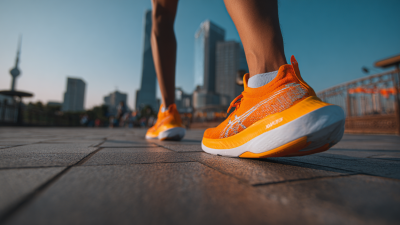
Running shoes are designed with cushioned soles and lightweight materials.
These features help absorb impact and provide stability. Proper fit is crucial; shoes that are too tight can cause discomfort.
For those who enjoy team sports like basketball or soccer, specialized footwear is essential.
Basketball shoes offer ankle support and traction on the court.
Soccer cleats, on the other hand, enhance grip on grass or turf surfaces.
Choosing the right style can prevent injuries and improve game performance. It’s important to consider the surface you’ll be playing on as well.
Fitness training often requires versatile shoes.
Cross-training shoes provide good support for various workouts, from lifting to aerobics.
They feature a stable base and flexible upper for movement. Many find it challenging to select the right type, leading to sore feet after workouts.
Reflecting on what works best for your activities can be helpful.
Key Features to Consider When Choosing Sports Shoes
Choosing the right sports shoes is vital for all activities. Key features play a significant role. One important aspect is cushioning. A recent report from the American Podiatric Medical Association indicates that shoes with optimal cushioning reduce the risk of injury. Proper cushioning absorbs impact, providing comfort during high-intensity workouts.
Another critical feature is traction. Suitable traction enhances stability and prevents slips. The International Journal of Sports Medicine found that shoes designed for specific sports can improve performance. Whether you're running, playing basketball, or engaging in soccer, the right grip on the surface is essential. Opt for shoes that feature durable rubber outsoles.
Finally, consider fit and support. Poorly fitting shoes lead to blisters or pain. Research shows that around 70% of athletes suffer foot-related issues due to inadequate footwear. While it's tempting to choose based on style, comfort and support are far more crucial. Regularly assess if your shoes continue to meet your needs. They should wear well over time, but not every pair will.
What are the Best Men Sports Shoes for All Activities? - Key Features to Consider When Choosing Sports Shoes
| Shoe Type |
Best For |
Key Features |
Comfort Level |
Durability |
| Running Shoes |
Distance Running |
Cushioning, Breathable Mesh, Lightweight |
High |
Good |
| Training Shoes |
Gym Workouts |
Stability, Versatile Traction, Ankle Support |
Moderate |
High |
| Basketball Shoes |
Court Sports |
High Top, Shock Absorption, Grip |
High |
Good |
| Walking Shoes |
Leisure Walking |
Lightweight, Arch Support, Comfort Fit |
Very High |
Good |
| Casual Sneakers |
Everyday Wear |
Stylish, Comfortable Fit, Versatile |
Moderate |
Fair |
Top Brands for Men Sports Shoes and Their Specialties
When it comes to sports shoes, certain brands stand out for their unique features. Some specialize in cushioning, ensuring comfort during long runs. Others focus on durability for rugged terrains. Choosing the right pair can be daunting.
For running enthusiasts, look for shoes with excellent arch support. They enhance performance and prevent injuries. Breathable materials are essential, keeping your feet cool. For those who often play team sports, stability is key. Going for shoes with a firm grip can help you move quickly and make sharp turns.
Tip: Always try on shoes in store if possible. Every brand fits differently. A snug fit is essential, without being too tight. Don't rush your decision. Take time to pick the right shoes; your feet will thank you later.
Comparison of Cushioning Technologies in Sports Footwear
When selecting men's sports shoes for various activities, cushioning technology plays a crucial role in performance and comfort. A study by the American Sports Medicine Institute indicates that the right cushioning can reduce injuries by 25%. This emphasizes the need for advanced cushioning systems in sports footwear.
Most shoes feature materials like EVA foam, polyurethane, or gel-based solutions. EVA, known for its lightweight and flexible qualities, adapts well to diverse movement patterns. However, while it excels in cushioning, its durability may not match other materials. Polyurethane offers superior longevity but tends to be heavier. Many athletes must strike a balance between weight and cushioning efficiency.
Research from the Journal of Sports Sciences highlights how improper cushioning can lead to conditions like plantar fasciitis or shin splints. Athletes should carefully evaluate their activities and foot types. Knowing the differences in cushioning technologies is essential. For instance, a runner might prefer a softer feel, while a basketball player may need more shock absorption for jumps. Understanding these nuances can lead to better performance and ultimately lower injury risks.
Tips for Ensuring Proper Fit and Comfort in Sports Shoes
Finding the right fit in sports shoes is essential for both performance and comfort. When trying on shoes, ensure there’s enough space in the toe box. Your toes should not feel cramped or pressed against the front. A thumb's width between your longest toe and the shoe is a good rule of thumb. Lace them up and walk around the store. This gives a clearer picture of how they fit during activity.
Consider your arch type when choosing shoes. High arches need more cushioning, while low arches benefit from stability features. Pay attention to heel support as well. An appropriate heel counter keeps your foot secure and reduces the risk of blisters. Remember, proper fitting shoes may feel snug initially but should never be painful.
After use, reflect on how your shoes feel during various activities. A shoe that felt perfect for a run might cause discomfort in other sports. Don’t be afraid to try multiple options before settling. Take notes on any discomfort or pressure points. This awareness helps you make a more informed decision. Prioritizing fit in sports shoes significantly impacts your enjoyment and performance.